
Many ATV and UTV attachments look similar when you compare specs or product photos. In real-world use, the differences become clear very quickly. Choosing the wrong attachment often leads to poor performance, wasted time, and underutilized equipment.
This guide breaks down five critical factors that determine whether an attachment will actually work for your property, your machine, and your workload.
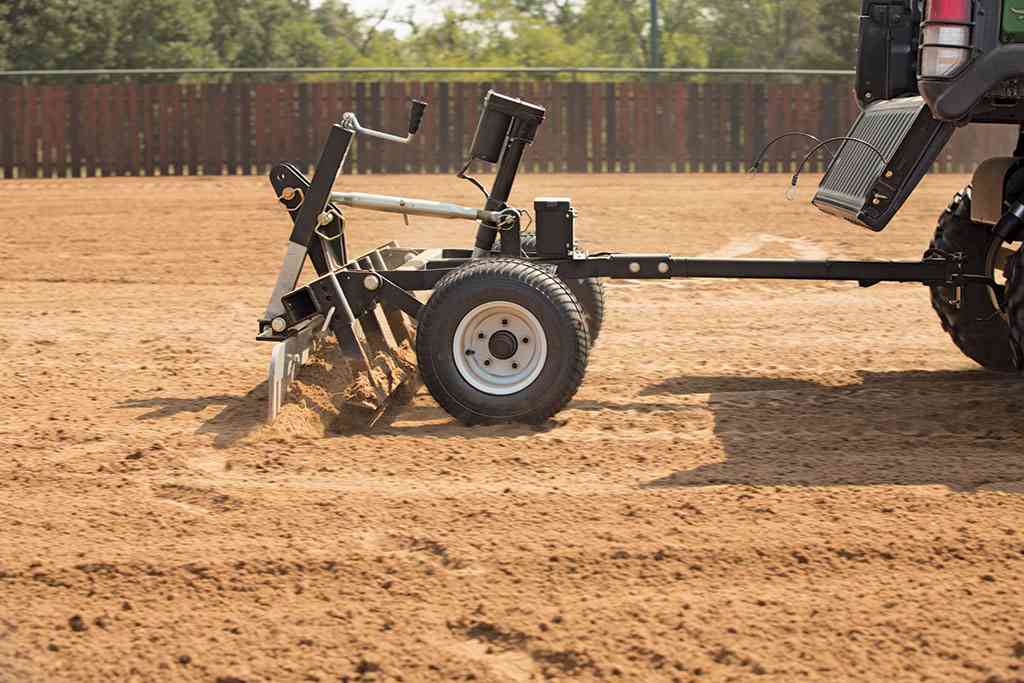
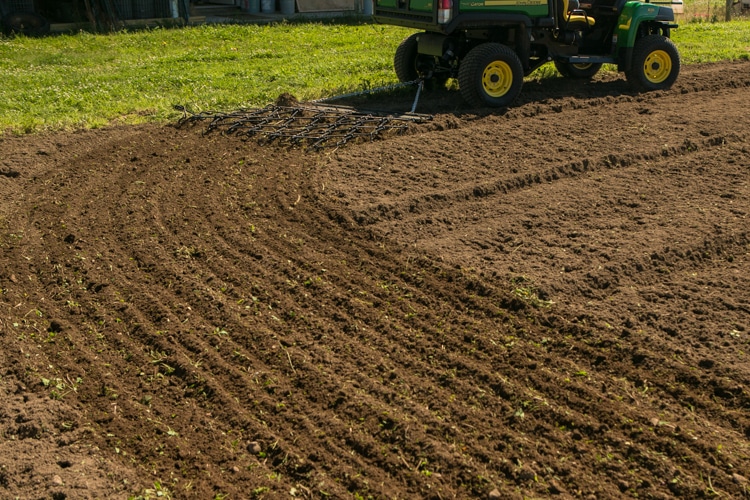
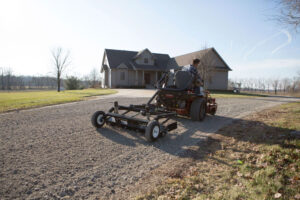
If you use an ATV or UTV for property maintenance, you are likely managing a mix of surfaces and conditions. Gravel driveways develop potholes and washboarding. Arenas require consistent footing. Pastures need leveling and manure distribution. Light dirt work and land prep add another layer of demand.
Attachments are designed to extend the capability of your machine. The effectiveness of that attachment depends on how well it matches five core variables.

Weight is the primary factor that determines whether an ATV or UTV attachment can perform real work.
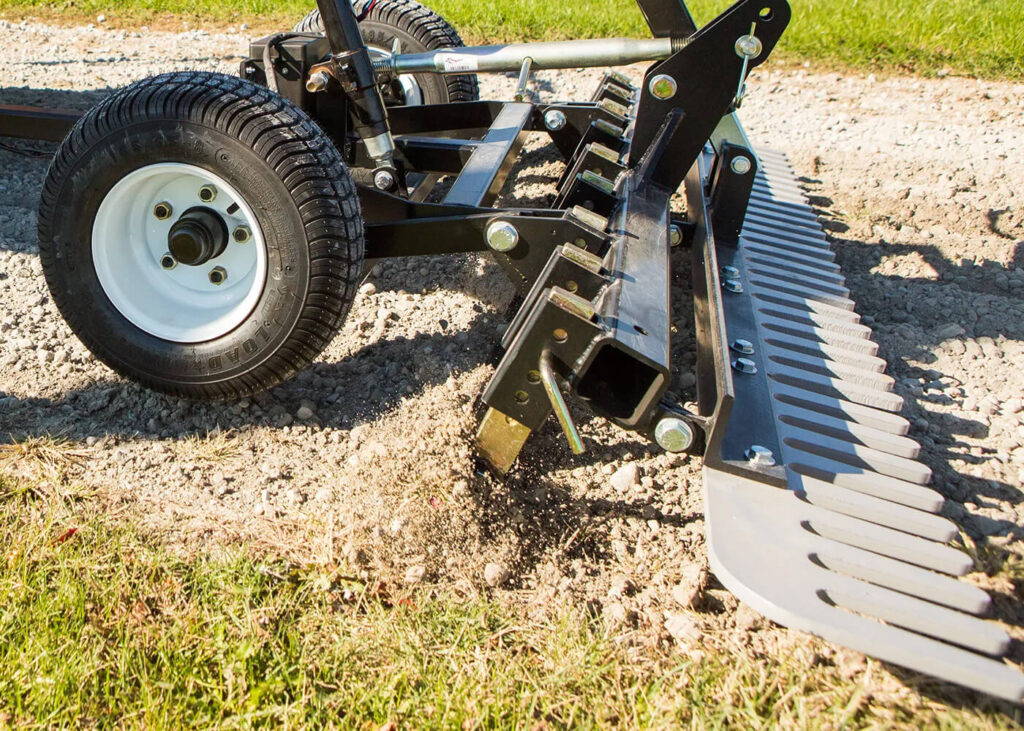
Attachments rely on downward force to engage the ground. Without sufficient weight, the tool will ride on top of the surface instead of penetrating it. This results in light grooming rather than meaningful material movement.
This is why improvised solutions often involve adding weight such as blocks or steel. The concept is simple. More weight increases the ability to cut into the surface.
Your ATV or UTV has a finite ability to pull. When attachment weight exceeds that limit, traction becomes the limiting factor.
Common issues include:
To determine the right weight range, consider:
Loose gravel, mud, and slopes reduce effective pulling capacity. Flat, dry ground allows for higher loads.
Select the heaviest attachment your ATV or UTV can pull consistently without slipping under your most difficult conditions. This ensures maximum performance without sacrificing usability.

Mobility directly affects how often an attachment is used.
An attachment that is difficult to move or reposition becomes inefficient. Over time, it may sit unused even if it is capable of doing the work.
When evaluating mobility, consider:
Attachments without wheels require dragging or lifting, which increases effort and reduces convenience. Units with integrated transport wheels can be moved quickly and positioned precisely.
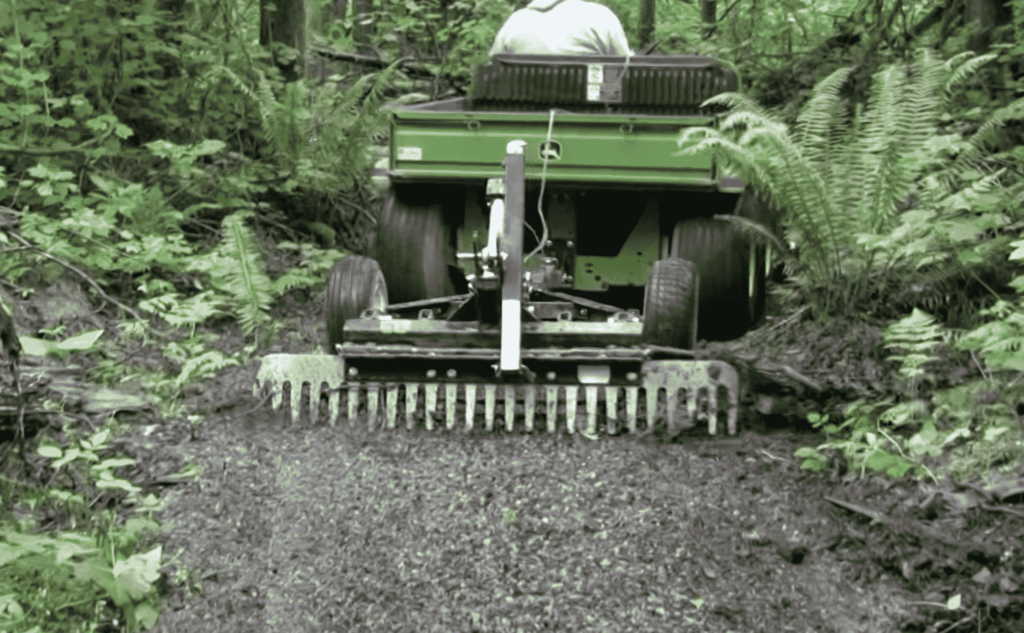
On most properties, work is not centralized. You may need to maintain:
An attachment must move efficiently between these areas to remain practical.
Storage often gets overlooked during the buying process. Larger attachments that do not fold require dedicated space. Compact or collapsible designs are easier to store and protect from weather.
Choose an attachment that you can easily move, reposition, and store without adding friction to your workflow. Ease of use increases frequency of use.

Property maintenance rarely involves a single task. Most owners manage a range of recurring projects throughout the year.
Buying a single purpose attachment limits flexibility. It may perform one task well but remain idle for the rest of the year.
A multi function attachment combines several capabilities into one platform. These may include:
This approach reduces the need to purchase multiple tools and simplifies storage and maintenance.
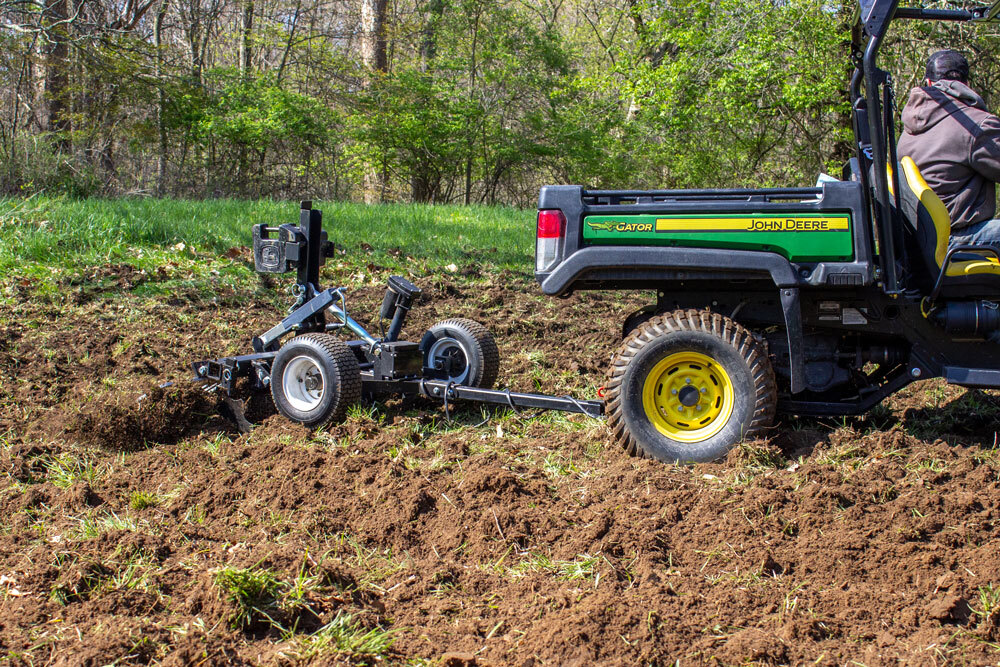
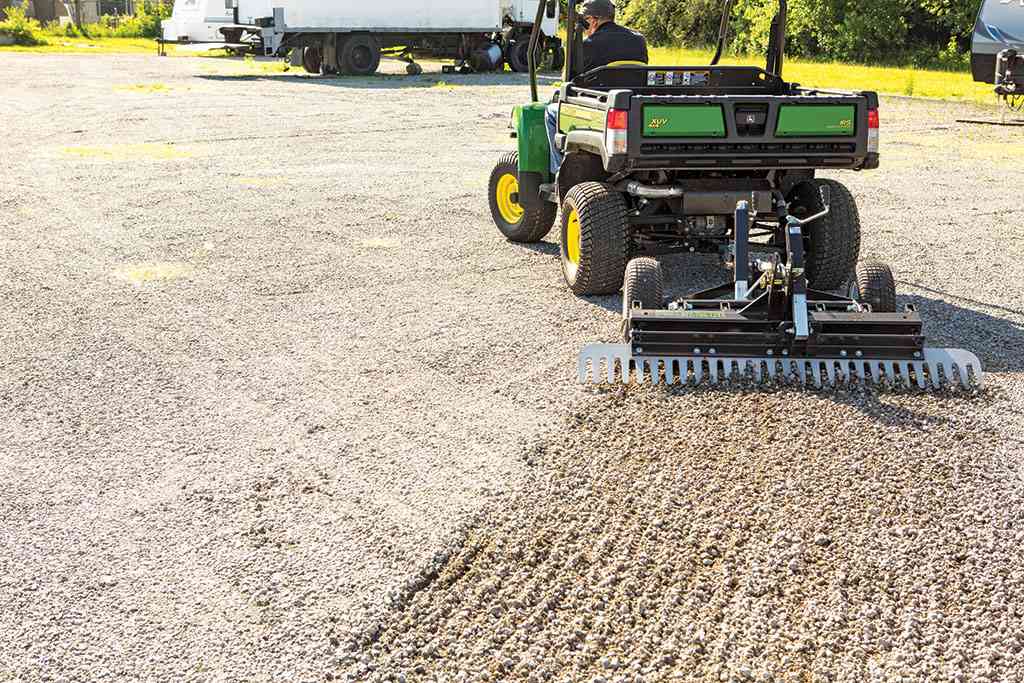
Attachments are capital equipment. Their value is determined by how often they are used and how many problems they solve.
A tool that handles multiple applications:
Evaluate your expected workload across all seasons. Choose an attachment that addresses multiple recurring tasks rather than a single immediate need.

Aggressiveness refers to how deeply an attachment can engage the ground. This determines whether it can solve surface issues or structural problems.
Many ATV attachments are designed for light surface work. These tools typically:
This is effective for maintenance but not for repair.
Certain conditions require penetration below the surface:
In these cases, the attachment must break through the top layer and work into the base material.
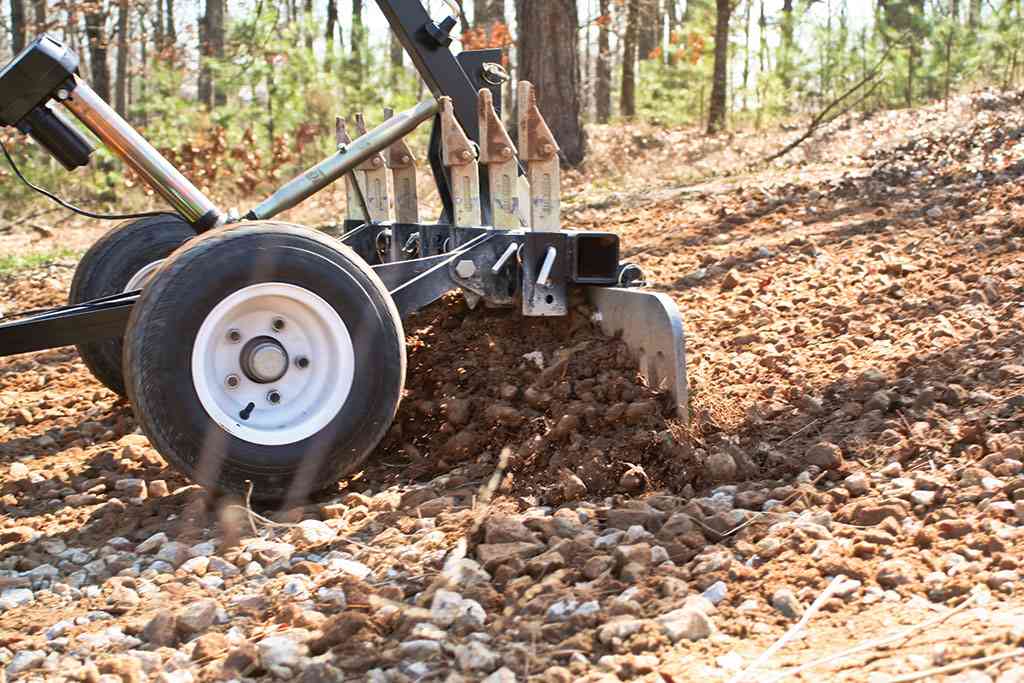
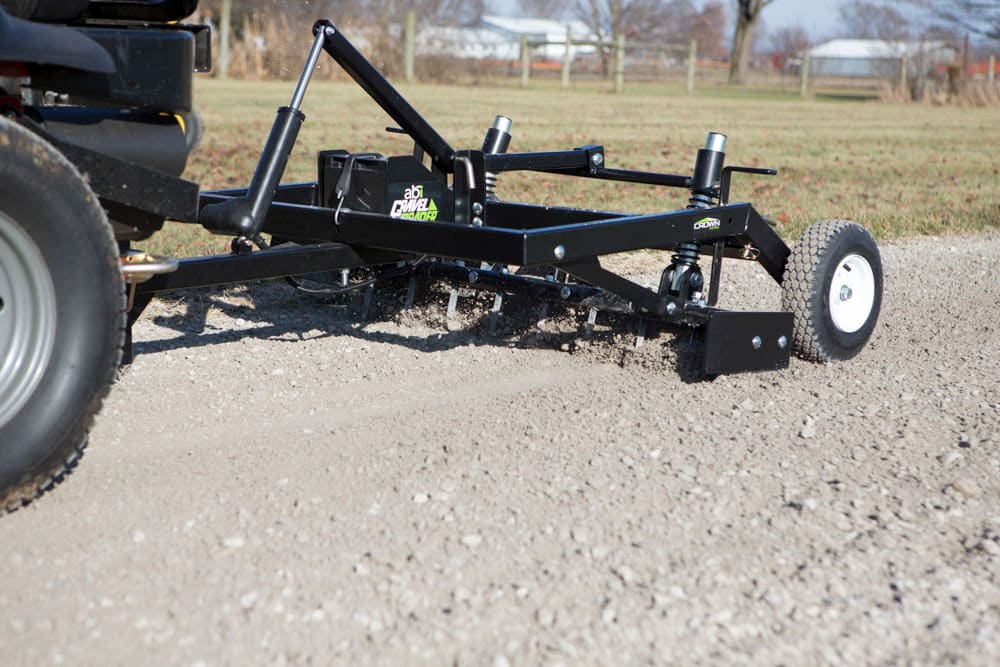
Aggressiveness depends on:
Select an attachment that can handle your most demanding conditions. Light duty tools cannot be pushed into heavy duty roles effectively.
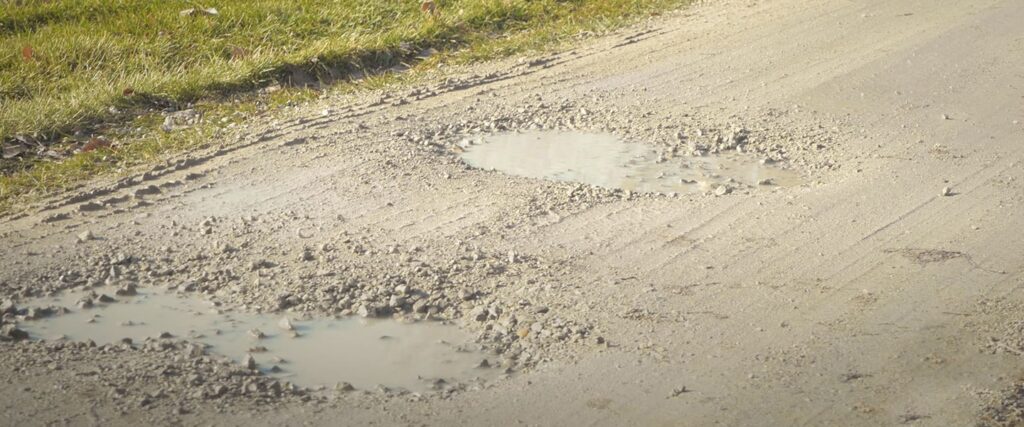
A pothole cannot be fixed by adding material on top. The correct process involves:
This requires an attachment capable of deep engagement, not just surface smoothing.

Maintenance requirements directly affect reliability and total cost of ownership.
All attachments require some level of upkeep. The complexity of that upkeep varies widely.
Neglecting maintenance leads to:
Basic maintenance may include:
More complex systems may involve:
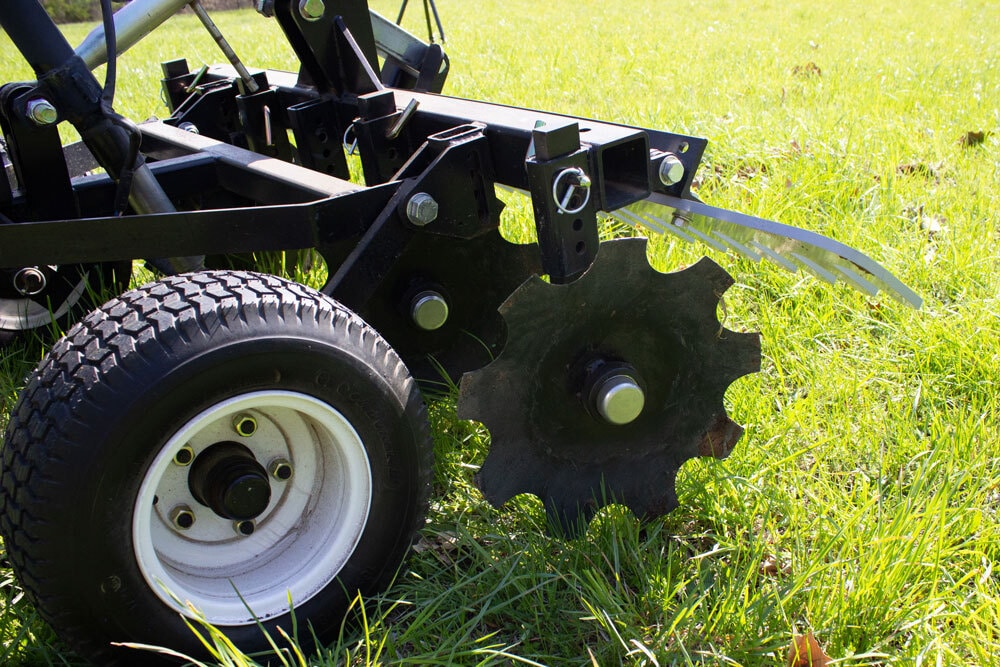
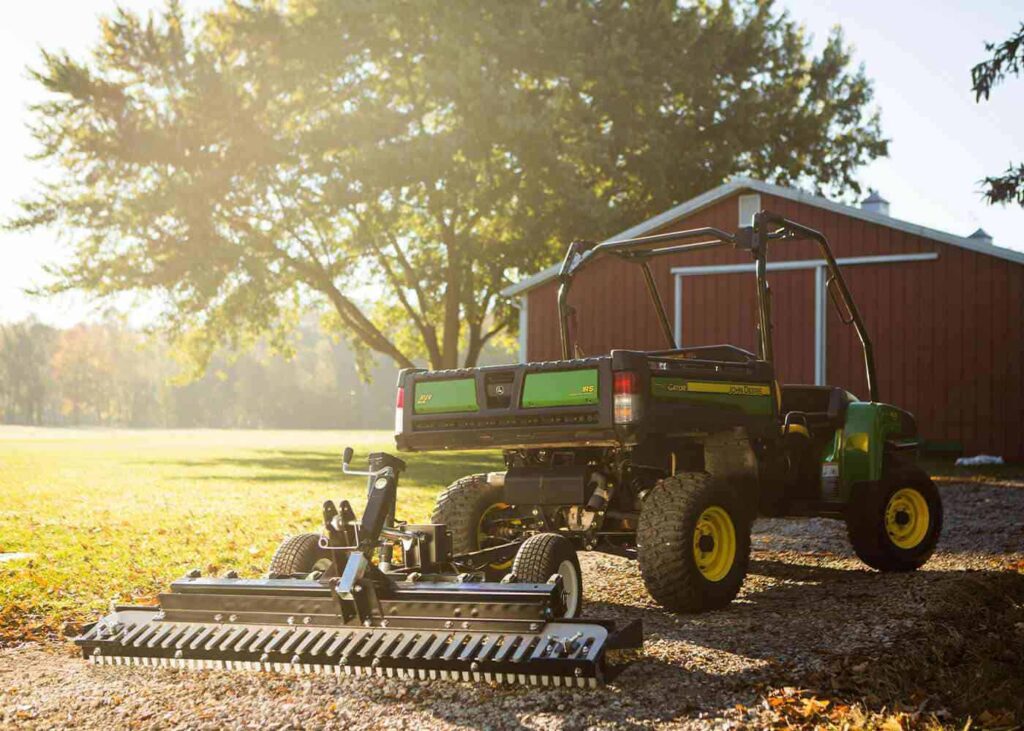
Mechanically simple attachments are easier to maintain and typically require less time and fewer tools. Complex systems may offer additional features but increase maintenance demands.
The right choice depends on your willingness and ability to maintain the equipment. A simpler design often provides greater long term reliability for most property owners.
Choose an attachment with maintenance requirements that match your available time, tools, and experience.
Use this structured approach when comparing options:
This process reduces the likelihood of mismatch and improves long term satisfaction.
The effectiveness of an ATV or UTV attachment is not determined by appearance or marketing claims. It is determined by how well it aligns with your machine, your terrain, and your workload.
Weight controls ground engagement. Mobility determines usability. Functionality defines value. Aggressiveness sets capability. Maintenance impacts long term performance.
When all five factors align, the attachment becomes a reliable tool that improves efficiency across your entire property.
Check the towing capacity in your owner’s manual and compare it to the attachment weight. Then adjust for real conditions. Wet ground, loose gravel, and slopes reduce effective pulling ability. Tire traction also plays a major role.
Heavier attachments generally improve ground engagement, but only up to the limit of your vehicle’s traction. If the attachment is too heavy, the vehicle will lose grip and performance will decline.
Most ATV and UTV owners use one machine for many tasks. A multi purpose attachment increases usage frequency and reduces the need for multiple specialized tools.
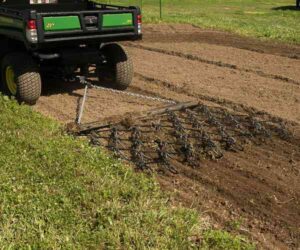
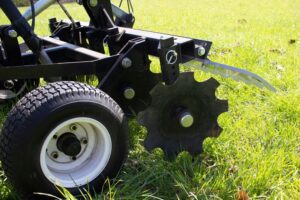
Attachments with scarifiers for ripping and leveling components for smoothing are most effective. These allow you to break up potholes and redistribute material properly.
Maintenance varies by design. Simpler attachments typically require greasing and occasional part replacement. More complex units may include systems that need regular adjustment and servicing.
To apply for financing and to learn about our latest financing promotions call 877.788.7253. Financing programs are offered by Sheffield Financial, a division of Truist Bank. Member FDIC. Subject to credit approval. Approval, and any rates and terms provided, are based on credit worthiness. Other financing offers are available. See your local dealer for details. Bureau risk score alone does not guarantee rate eligibility; other underwriting criteria may apply. Minimum amount financed $1500.00; Maximum amount financed $75,000.00. Other qualifications and restrictions may apply. An Origination Fee of $150.00 will be added to the amount financed in the above example. Offer effective on eligible and qualified units purchased from a participating Sheffield dealer. See dealer for product eligibility and qualifications between 8/1/2026 and 10/31/2026. Offer subject to change without notice
No obligation.
Mon-Thurs 8AM – 8PM and Fri 8AM – 5PM EST