
Road crown refers to the slight raised shape built into the center of a road or driving surface to help water drain toward the edges instead of remaining on the roadway.
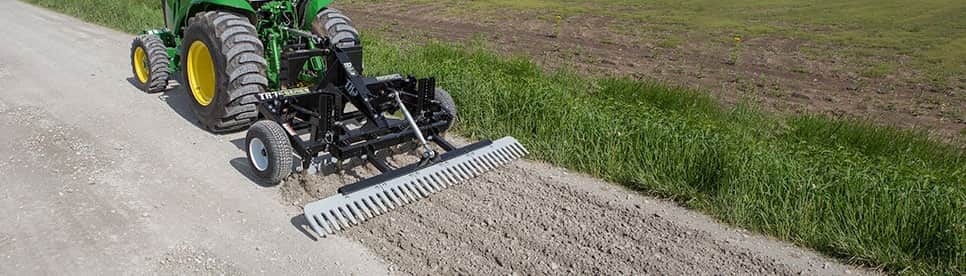
The surface is intentionally constructed so the middle of the road sits slightly higher than the sides. This creates a gentle slope that encourages water to move away from the travel path through gravity.
Road crown is one of the most fundamental principles in road construction and surface maintenance because drainage is critical to long-term surface performance and stability.
Without proper drainage:
Road crown is used in:
Although the exact shape and slope vary depending on the application.
Road crown is: the slightly elevated center profile of a road that helps direct water toward the sides for drainage.
The amount of crown is typically subtle rather than visually dramatic.
Water is one of the primary causes of roadway deterioration.
If water remains on a road surface:
Crown helps reduce standing water by encouraging runoff toward:
This improves drainage efficiency and helps preserve surface structure.
A crowned road is shaped so:
This creates lateral drainage flow.
When rain falls:
The effectiveness of crown depends on:
Road crown is especially important on gravel roads because unbound aggregate surfaces are more vulnerable to water-related damage.
Without proper crown:
On gravel roads, maintaining crown is often part of routine grading and reshaping operations.


Paved roads also use crown for drainage, although the profile is sometimes less visually noticeable.
In paved systems:
Even slight drainage failures can increase:
Road crown specifically refers to the cross-sectional shape across the width of the road.
This is different from:
A road may:
Over time, traffic and weather can flatten road crown.
Common causes include:
When crown disappears:
This creates a cycle where: trapped water accelerates additional surface damage.

The center becomes lower than the wheel paths, trapping water in the middle of the road.
Vehicle traffic compresses wheel paths, reducing drainage effectiveness.
Material accumulates near the road edges, preventing runoff from leaving the surface.
Too much slope can:
Proper crown must balance drainage with surface usability.
Road crown is commonly maintained through grading operations.
Maintenance may involve:
Equipment commonly used includes:
Moisture conditions are also important because grading overly dry or saturated material can reduce effectiveness.
Crown alone does not solve all drainage issues.
Effective drainage also depends on:
A properly crowned road can still experience drainage problems if surrounding water management fails.

A common misconception is: “Road crown exists mainly for vehicle handling.”
Its primary purpose is drainage management. While crown can influence how a road feels during travel, its main function is: moving water off the roadway efficiently to reduce structural deterioration.
Road crown does not eliminate water damage entirely.
Instead: it helps reduce the amount of time water remains on the road surface and within the roadway structure.
Long-term road durability still depends on:
Road crown is the slightly raised center profile built into a road surface to encourage water drainage toward the edges.
It is one of the foundational principles of road construction and maintenance because proper drainage helps reduce:
Its effectiveness depends on maintaining consistent surface shape and overall drainage function throughout the roadway system.
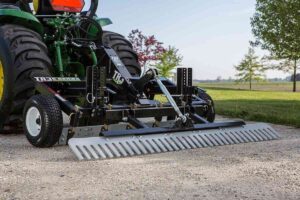
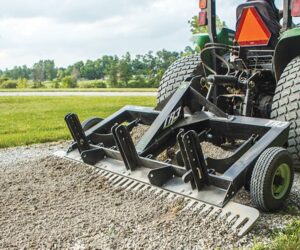
Road crown is the slightly elevated center shape of a road that helps direct water toward the edges for drainage.
It helps reduce standing water and improves drainage, which can reduce erosion, rutting, potholes, and surface deterioration.
No. Both gravel and paved roads commonly use crown to improve drainage performance.
Water may stop draining properly, increasing the likelihood of rutting, potholes, erosion, and structural damage over time.
It is commonly maintained through grading and reshaping operations that restore proper surface profile and drainage flow.
Yes. Excessive crown can affect driving comfort, increase erosion potential, and make surface maintenance more difficult.
To apply for financing and to learn about our latest financing promotions call 877.788.7253. Financing programs are offered by Sheffield Financial, a division of Truist Bank. Member FDIC. Subject to credit approval. Approval, and any rates and terms provided, are based on credit worthiness. Other financing offers are available. See your local dealer for details. Bureau risk score alone does not guarantee rate eligibility; other underwriting criteria may apply. Minimum amount financed $1500.00; Maximum amount financed $75,000.00. Other qualifications and restrictions may apply. An Origination Fee of $150.00 will be added to the amount financed in the above example. Offer effective on eligible and qualified units purchased from a participating Sheffield dealer. See dealer for product eligibility and qualifications between 8/1/2026 and 10/31/2026. Offer subject to change without notice
No obligation.
Mon-Thurs 8AM – 8PM and Fri 8AM – 5PM EST